Modern approaches to the treatment of venous diseases
An overview of the main groups of treatment approaches for venous disease — from lifestyle changes to minimally invasive methods such as radiofrequency ablation.
Vascular Surgeon · Sofia
More than 25 years of care for vascular health — from precise Doppler ultrasound diagnostics to modern minimally invasive treatment of venous diseases.
What brings you here?
Heaviness, dull pain and night cramps often get worse after long periods of standing or sitting.
Swelling and varicose veins can be an early sign of venous disease — not just a cosmetic issue.
Hard-to-heal wounds on the limbs often have a vascular cause that can be identified.
Doppler ultrasound is non-invasive and gives a clear picture of the veins and arteries.
These questions do not make a diagnosis — but they are a good reason for an examination. See the answers to frequently asked questions or book a consultation.
Treatment
Five areas of care, one starting point — an accurate diagnosis. Choose a node on the vascular map to learn more.
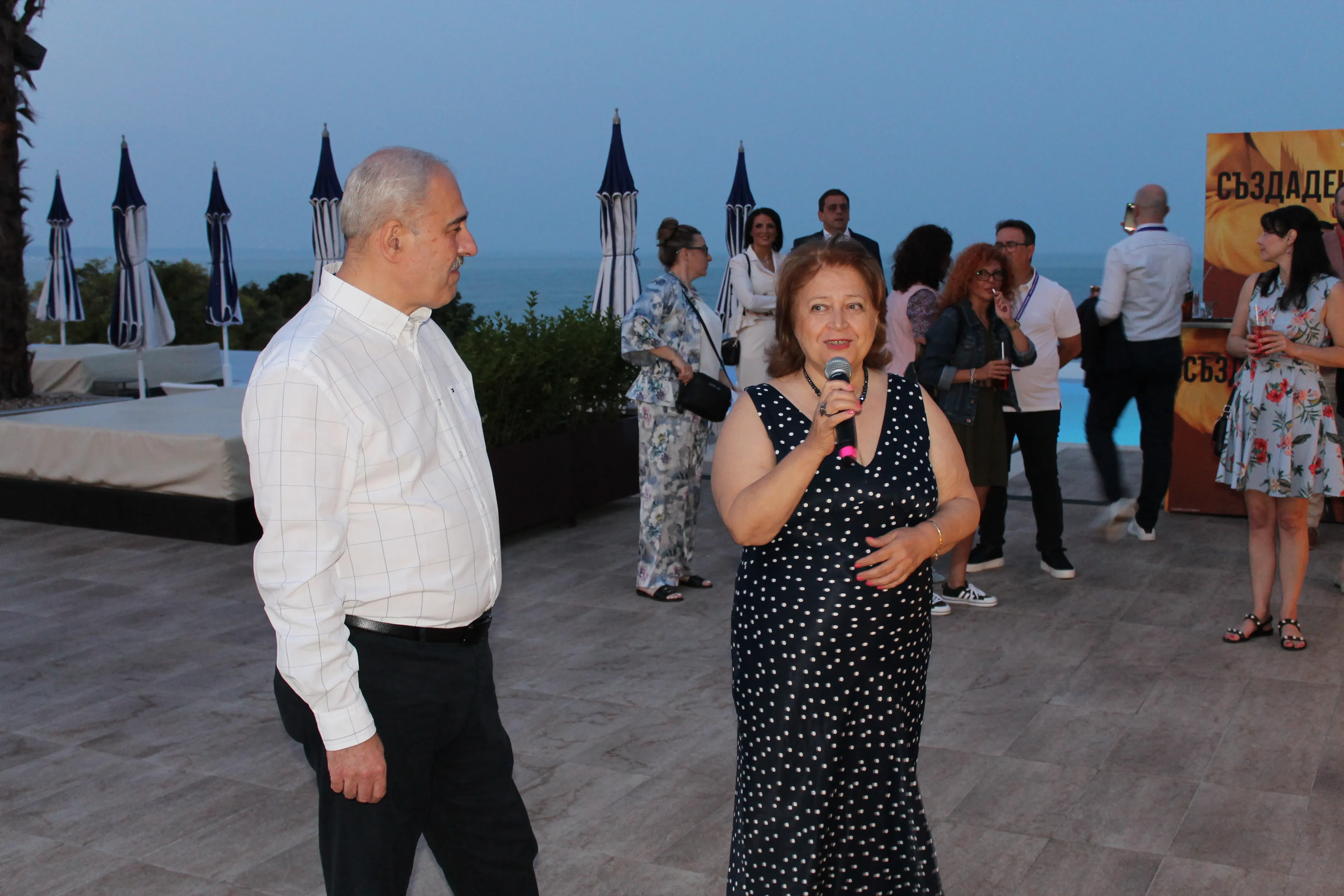
Discussion at a scientific event
About
Vascular surgeon with over 25 years of practice and a doctoral degree in medicine, with scientific publications and participation in Bulgarian and international forums.
Graduated in medicine from the Medical University of Sofia.
Qualified as a specialist in General Surgery; specialist training at Pitié-Salpêtrière Hospital, Paris.
Qualified as a specialist in Vascular Surgery.
Specialist training in venous radiofrequency ablation in Paris and Hamburg.
Sees patients at Hubcha 16 Medical Centre, Sofia. Co-author of European and Bulgarian professional guidelines and standards.
VeinConsult
A specialised examination for venous complaints — structured, unhurried and focused on a clear plan.
We discuss your complaints and your medical history.
Clinical examination and, where indicated, a Doppler ultrasound scan.
We discuss the options and the next steps, tailored to you.
Articles
An overview of the main groups of treatment approaches for venous disease — from lifestyle changes to minimally invasive methods such as radiofrequency ablation.
How chronic venous disease develops, which complaints are typical of it and when it is sensible to see a vascular surgeon.
Scientific activity
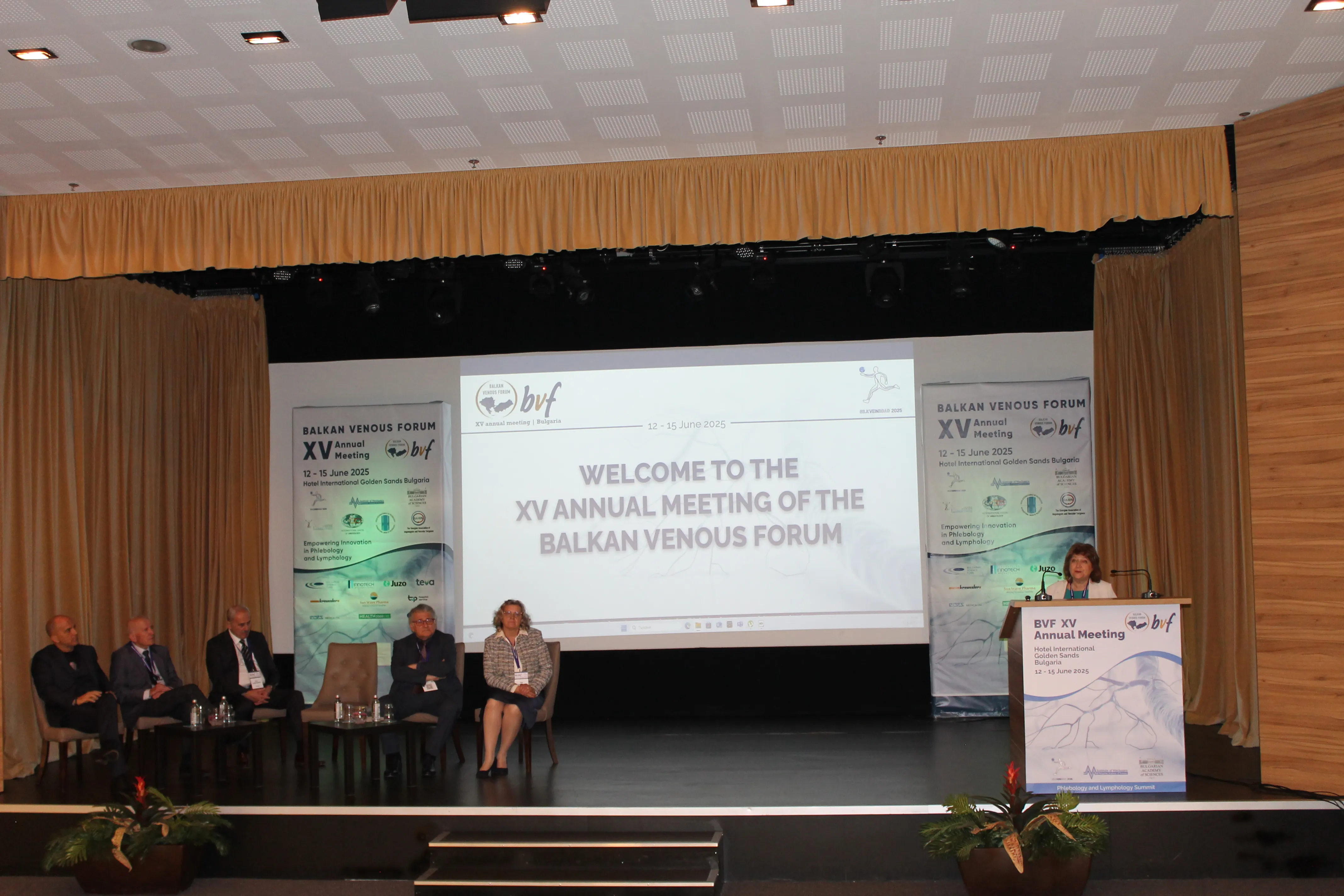

Participation and presentations at Bulgarian and international scientific forums on phlebology and vascular surgery.
Scientific activity →Up-to-date, verified patient reviews of Dr Goranova are maintained on the independent Superdoc platform.
See the profile and verified reviews on SuperdocFrequently asked questions
Chronic venous disease is a progressive disease of the veins in which the superficial veins can dilate and blood can pool. Over time this can cause complaints such as heaviness, pain, itching, cramps and swelling, and in some patients complications as well. An early consultation with a vascular surgeon allows the condition to be assessed in time.
Reasons for an examination include heaviness and pain in the legs, swelling around the ankles, visibly dilated veins, itching or burning of the skin of the lower legs, night cramps, and a wound on the limb that will not heal. These complaints can have various causes, which is why only an examination can establish whether a vascular disease is involved.
Doppler ultrasound is a non-invasive ultrasound examination that shows the condition of the veins and arteries and the direction and speed of the blood flow. It helps to establish where and to what extent the vascular system is affected and is an important basis for deciding on the appropriate approach.
Book an appointment online via Superdoc or give us a call — the practice team will help you find a convenient time.
Consultation hours: monday 09:00 – 13:00 · wednesday 14:00 – 18:00 — Hubcha 16 Medical Centre, Sofia